Red dots may signal underlying blood disorders, particularly when they are accompanied by easy bruising, fatigue, or unusual bleeding.
Possible conditions:
Low platelet count (thrombocytopenia)
Anemia
Clotting disorders
Warning signs:
Large number of red dots appearing suddenly
Spots that do not fade when pressed
Easy bleeding from gums or nose
Action: For an accurate diagnosis and course of therapy, prompt medical evaluation is essential.
7. Autoimmune Conditions
Certain autoimmune diseases can cause red spots on the skin as part of their symptom profile.
Examples:
Lupus erythematosus
Vasculitis (inflammation of blood vessels)
Symptoms:
Red or purplish dots often accompanied by fatigue, joint pain, or fever
Spots may appear on sun-exposed areas (in lupus)
Management: Diagnosis requires blood tests and evaluation by a specialist. Treatment often involves managing inflammation and immune response.
When to See a Doctor
Seek medical attention if red dots are:
Widespread or rapidly appearing
Accompanied by bleeding, fever, or pain
Persistent and unexplained
In addition to other symptoms like exhaustion, lightheadedness, or dyspnea
Early evaluation can distinguish between harmless conditions and serious health issues.
Prevention and Care
Maintain good hygiene and skincare routines
Avoid known allergens and irritants
Stay hydrated and regulate body temperature in hot climates
Ensure proper nutrition, including vitamins C and K, to support healthy blood vessels
Regular health checkups for early detection of blood or autoimmune disorders
Conclusion
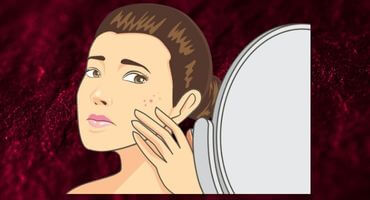
Red dots on the skin are a common concern that can range from harmless to potentially serious. Tiny petechiae may indicate blood disorders, while cherry angiomas are usually benign. Allergic reactions, heat rash, infections, autoimmune conditions, and nutrient deficiencies can all present with red spots.
Monitoring your skin, recognizing accompanying symptoms, and seeking timely medical advice are essential for identifying serious conditions early. By understanding what red dots may signify, you can take proactive steps to protect your health and prevent complications.
We use cookies to ensure that we give you the best experience on our website. If you continue to use this site we will assume that you are happy with it.



Post Comment