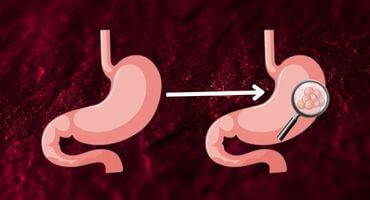
Gastric cancer, commonly known as stomach cancer, develops when abnormal cells in the stomach lining grow uncontrollably. Early stages often present with subtle symptoms, making detection challenging. By the time noticeable signs appear, the disease may have progressed significantly.
Understanding the early indicators of gastric cancer is crucial for timely diagnosis, effective treatment, and improved survival rates. This article outlines six key indices and manifestations of gastric cancer, explains their underlying causes, and emphasizes the importance of early detection.
1. Persistent Indigestion and Stomach Discomfort
Chronic indigestion, also known as dyspepsia, is a common early sign of gastric cancer.
Symptoms include:
Burning or gnawing sensation in the upper abdomen
Bloating, belching, or feeling full after small meals
Mild nausea
Why it happens:
Tumors can irritate the stomach lining or interfere with acid regulation, causing ongoing discomfort.
Action:
Persistent indigestion that does not respond to lifestyle changes or over-the-counter medications should prompt medical evaluation.
2. Unexplained Weight Loss
Sudden and unexplained weight loss is a concerning manifestation of gastric cancer.
Mechanisms:
Tumors may reduce appetite or cause early satiety
Cancer cells consume significant energy, increasing metabolic demand
Nausea or vomiting can reduce food intake
Red flags:
Losing 5–10% of body weight within a few months without dietary changes
We use cookies to ensure that we give you the best experience on our website. If you continue to use this site we will assume that you are happy with it.



Post Comment