Sudden, involuntary muscle twitches that happen when a person falls asleep are called sleep jerks, hypnic jerks, or sleep beginnings. They are common and usually harmless, but they can be startling and sometimes interfere with the ability to fall asleep. People can effectively control sleep jerks and preserve higher-quality sleep by being aware of their causes, underlying mechanisms, and possible consequences.
This article provides a detailed overview of sleep jerks, their physiological basis, contributing factors, and strategies to minimize their occurrence.
What Are Sleep Jerks?
Sleep jerks are brief, involuntary contractions of one or more muscles, often occurring just as a person is transitioning from wakefulness to sleep. They are considered myoclonic twitches and typically last only a few milliseconds.
Key features:
frequently affect the arms, legs, or entire body
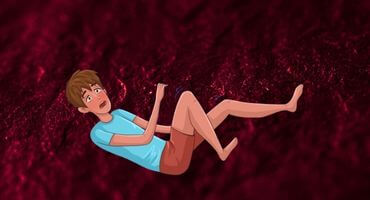
May be accompanied by a sensation of falling
Sometimes cause abrupt awakenings
usually take place at the lightest stage of the sleep cycle, known as Stage 1.
Causes of Sleep Jerks
1. Normal Physiological Response
Sleep jerks are generally a normal part of the sleep process. As muscles relax during the transition to sleep, the brain may misinterpret this relaxation as a signal of falling, triggering a sudden muscle contraction.
Explanation:
During the transition from wakefulness to sleep, the nervous system reduces muscle tone
The brain may interpret this relaxation as a loss of balance
In response, the body reacts with a sudden jerk to “protect” itself
2. Stress and Anxiety
High levels of stress or anxiety can increase the frequency and intensity of sleep jerks.
Why it happens:
The sympathetic nervous system, which controls the “fight or flight” response, is heightened during stress.
Increased muscle tension and heightened alertness can make the transition to sleep more abrupt, triggering jerks
Signs:
Frequent or intense jerks during the night
Difficulty falling asleep due to hyperarousal
Morning fatigue due to disrupted sleep
Management:
Techniques for reducing stress including yoga, meditation, or deep breathing
We use cookies to ensure that we give you the best experience on our website. If you continue to use this site we will assume that you are happy with it.


Post Comment