7 Signs That Indicate Clogged Arteries
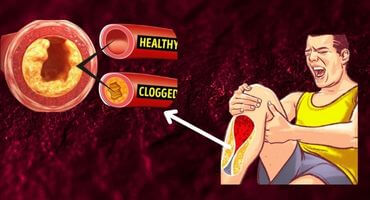
6. Fatigue and General Weakness
Chronic fatigue and unexplained weakness can be subtle signs of reduced blood flow to vital organs, including the heart and brain.
Why it happens:
When arteries are partially blocked, the body compensates by working harder to deliver oxygen. Over time, this leads to fatigue, especially after routine activities.
Signs to watch for:
- Feeling unusually tired after minor physical exertion
- Decreased stamina and endurance
- Persistent low energy levels
Action:
If fatigue is accompanied by other cardiovascular symptoms, medical evaluation is necessary to prevent serious events.
7. Irregular Heartbeat or Palpitations
The heart’s electrical system may be impacted by clogged arteries, leading to arrhythmias or irregular heartbeats.
Symptoms:
- Rapid or fluttering heartbeat
- Skipped beats
- Dizziness or fainting
Why it happens:
Reduced blood flow or previous damage from minor heart attacks can disrupt normal heart rhythm, increasing the risk of serious complications.
Action:
A cardiologist should assess an irregular heartbeat as soon as possible. Early intervention can prevent heart failure, stroke, or sudden cardiac events.
Risk Factors for Clogged Arteries
- High cholesterol and triglyceride levels
- Hypertension (high blood pressure)
- Smoking
- Diabetes
- Obesity or sedentary lifestyle
- Family history of heart disease
- A poor diet that is heavy in processed foods and saturated fats
Recognizing these risk factors helps in early detection and lifestyle modification.
Prevention and Management
- Heart-healthy diet: Include fruits, vegetables, whole grains, and lean proteins while reducing saturated fats and trans fats.
- Frequent exercise: 150 minutes or more a week of moderate aerobic activity.
- Quit smoking: Avoiding tobacco significantly lowers cardiovascular risk.
- Monitor health indicators: Take note of blood pressure, cholesterol, and sugar levels.
- Medical treatment: In some cases, medications (e.g., statins, blood thinners) or procedures (angioplasty, stent placement) may be necessary.
Conclusion
Clogged arteries often develop silently, but recognizing early warning signs can save lives. Chest pain, shortness of breath, limb numbness, high blood pressure, exercise-related discomfort, chronic fatigue, and irregular heartbeat are all potential indicators of atherosclerosis.
By understanding these signs, monitoring risk factors, and taking preventive measures, you can protect your heart and overall health. Early detection and proactive lifestyle changes are the most effective strategies to reduce the risk of heart attacks, strokes, and other serious complications.



Post Comment