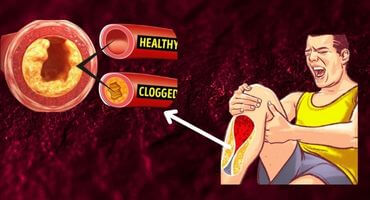
Clogged arteries, medically referred to as atherosclerosis, occur when fatty deposits (plaque) build up on the walls of arteries. This restricts blood flow and can lead to serious cardiovascular complications such as heart attacks, strokes, and peripheral artery disease.
Many people are unaware they have clogged arteries because the condition often develops silently over many years. Recognizing the early warning signs is crucial for preventing life-threatening events. This article explores seven key signs that may indicate clogged arteries and discusses what you can do to protect your heart and circulatory system.
1. Chest Pain or Angina
One of the most well-known symptoms of congested arteries is angina, or chest pain.
Characteristics:
Pressure, tightness, or squeezing sensation in the chest
The shoulders, arms, neck, jaw, or back may all experience pain.
frequently brought on by intense physical activity, mental stress, or large meals.
Why it happens: Plaque buildup narrows the arteries, limiting blood flow to the heart during increased activity.
Action: Chest pain should never be ignored. Seek emergency medical assistance right away if it’s severe or accompanied by nausea, sweating, or shortness of breath.
2. Shortness of Breath
Clogged arteries reduce oxygen delivery throughout the body, including the heart and lungs, which can lead to shortness of breath.
Symptoms:
Difficulty breathing during physical activity or at rest
feeling exhausted after short walks or stair climbing
Fatigue or dizziness accompanying breathlessness
Why it happens: The heart struggles to pump efficiently when arteries are narrowed, reducing oxygen circulation and making everyday activities exhausting.
Action: Persistent shortness of breath warrants a cardiovascular evaluation to prevent complications.
We use cookies to ensure that we give you the best experience on our website. If you continue to use this site we will assume that you are happy with it.



Post Comment