6 Indices and Manifestations of Gastric Cancer
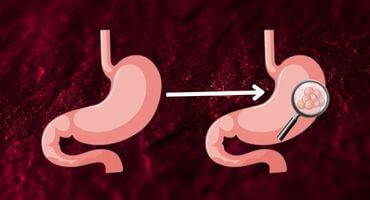
5. Gastrointestinal Bleeding
Gastric cancer can cause bleeding within the stomach, leading to noticeable or hidden blood in the stool.
Signs include:
- Black, tarry stools (melena)
- Vomiting blood
- Fatigue or weakness due to anemia
Why it happens:
- Tumor ulceration damages blood vessels in the stomach lining
- Slow bleeding may go unnoticed for weeks, causing iron-deficiency anemia
Action:
- Any signs of gastrointestinal bleeding require immediate medical attention and diagnostic testing such as endoscopy.
6. Loss of Appetite and Early Satiety
Feeling full quickly after eating small amounts of food is a key symptom of gastric cancer.
Mechanisms:
- Tumor presence reduces stomach capacity or disrupts motility
- Digestive discomfort discourages food intake
Red flags:
- Eating less without intentional dietary restriction
- Gradual decrease in meal size tolerated before fullness
- Accompanying weight loss or fatigue
Action:
- Persistent early satiety should be discussed with a physician and evaluated with appropriate imaging studies.
Risk Factors for Gastric Cancer
Understanding risk factors can help in early detection and prevention:
- Chronic Helicobacter pylori infection
- Smoking and heavy alcohol consumption
- Family history of gastric cancer
- Diet high in smoked, salted, or processed foods
- Age over 50
- Long-term conditions like chronic gastritis or pernicious anemia
Monitoring these risk factors and maintaining regular checkups enhances early detection.
Diagnosis and Early Detection
- Endoscopy: Allows visualization and biopsy of suspicious lesions
- Imaging tests: CT scans or MRI can assess tumor size and spread
- Blood tests: Identify anemia or markers of inflammation
- Helicobacter pylori testing: Detects infection linked to increased risk
Early diagnosis dramatically improves treatment options and outcomes.
Prevention Strategies
- Dietary Adjustments: Include fresh fruits, vegetables, and fiber-rich foods; reduce salt, smoked, and processed foods.
- Quit Smoking and Limit Alcohol: Reduces risk of tumor development.
- Treat H. pylori Infections: Eradication with antibiotics lowers gastric cancer risk.
- Regular Medical Checkups: Especially for high-risk individuals or those with chronic stomach conditions.
- Maintain Healthy Weight and Lifestyle: Reduces overall cancer risk.
Conclusion
Gastric cancer often develops silently, making early recognition of symptoms critical. Persistent indigestion, unexplained weight loss, nausea, abdominal pain, gastrointestinal bleeding, and early satiety are key indicators that should never be ignored.
Understanding these indices, monitoring risk factors, and seeking timely medical evaluation can significantly improve early detection and treatment outcomes. By adopting preventive lifestyle measures and remaining vigilant to subtle changes in digestion and appetite, individuals can reduce their risk and protect their stomach health.



Post Comment